The Sillar Route is a tour full of history, living culture and adventure. Find out why Arequipa is also known as "the White City" and since when sillar has been used to build its houses, churches and mansions. Learn how this stone, called ignimbrite, is extracted and how sillar blocks are made, and meet one of the stonecutters who work hard day after day, keeping alive a tradition passed down from generation to generation.
Take stunning photos in the sillar quarries, landscapes found only in this part of Peru. Book our Sillar Route tour and enjoy an experience full of history, living culture and adventure. Daily departures in 2 slots: 09:00 a.m. and 02:00 p.m.
| Slots | daily departures at 09:00 a.m. and 02:00 p.m. |
|---|---|
| Morning slot schedule | pickup 08:45 – 09:15 a.m. / arrival downtown 01:00 p.m. |
| Altitude | practically the same as downtown Arequipa. |
| Distances | the Añashuayco Quarry is 30 minutes from downtown Arequipa and Culebrillas is 1 hour away. |
| Children | recommended; there are many sculptures where they can take fun photos. |
The tour starts with pickup from your hotel in downtown Arequipa, between 08:45 and 09:15 a.m. At 09:15 a.m., we'll set off on the Sillar Route, a tourist circuit rich in history and living culture that visits quarries and areas where sillar originated.
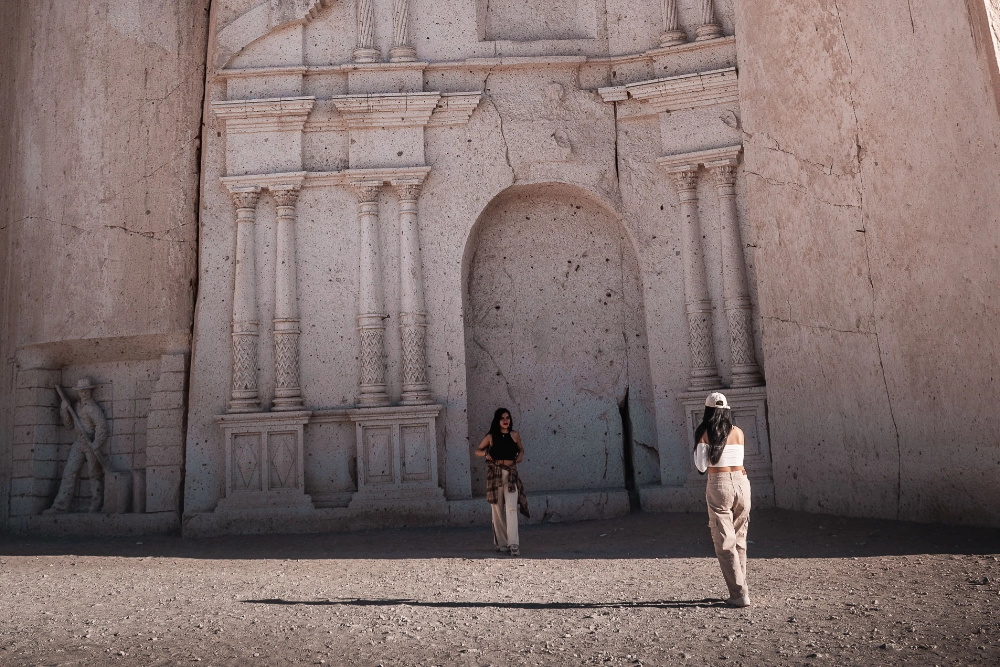
Our first stop will be the Añashuayco Quarry, which we'll reach in about 45 minutes. It's still being worked today, and the stonecutters start their work very early. There, we'll see an immense canyon with cliffs (ignimbrite walls) several meters high, formed by the extraction of sillar blocks. We'll tell you the history of sillar, how it's made and how it has always been used. At this quarry, you can see a giant carving of the Church of the Compañía de Jesús made by the stonecutters themselves. We'll also visit one of them so they can explain their daily work and let us try cutting one of their stone blocks ourselves.
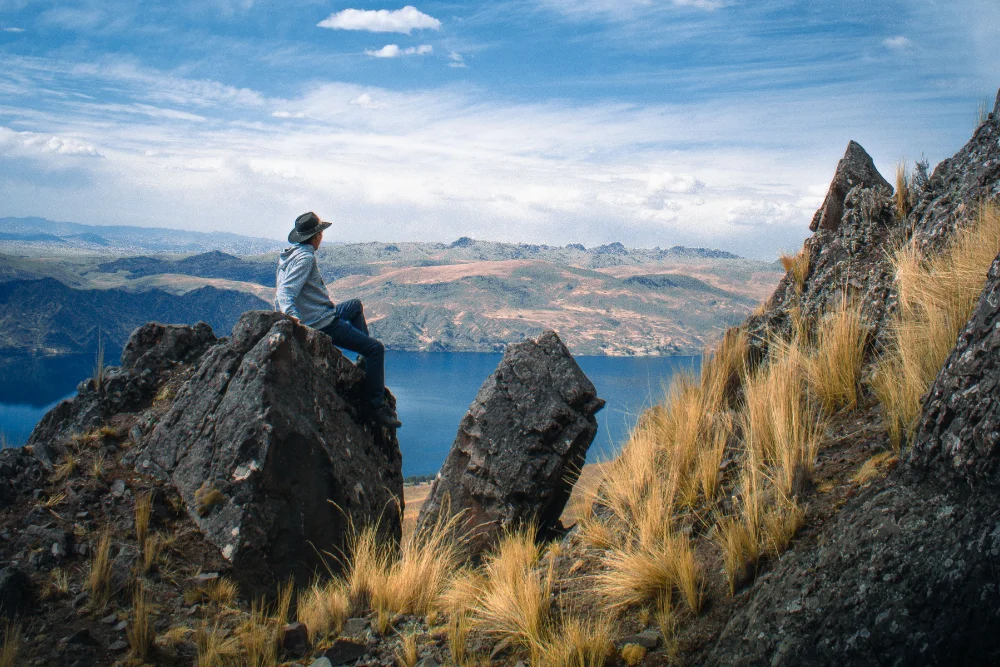
Next, we'll head to the Culebrillas Ravine, 30 minutes from Añashuayco. There, we'll take a walk of approximately 20 minutes inside the small canyon carved by water, with walls of 15 to 20 meters that grow taller the further in we go. At the end of the walk, we'll see petroglyphs made by the Wari culture more than a thousand years ago.
Before returning to the city, we'll see the apachetas, formations of stones stacked one on top of another that are a symbol of gratitude to nature and of attracting good luck, and that convey a mystical feeling. At 12:00 p.m., we'll start the return to Arequipa, and at 01:00 p.m. we'll arrive downtown, where we'll drop you off near the Plaza de Armas.
Because of the white color of the sillar, the heat in the quarries feels intense; bring a hat, water, sunscreen and sunglasses. In the rainy season (January, February and part of March), the heat drops considerably.
It's a tour in the city of Arequipa that visits the quarries where the white blocks called sillares are made. It has been running since 2014, when the stonecutters, with help from the NGO CIED, inaugurated it with a carving in the quarry representing the Church of the Compañía de Jesús.
No. Sillar is made of volcanic tuff or ignimbrite, a material very different from volcanic lava. Both are produced by volcanic eruptions, which is why they're often confused.
There are more than 15 sillar quarries being worked in Arequipa; on the tour, we visit 2 of the most important: the Cortadores Quarry (also called Añashuayco) and the Culebrillas Quarry, which we see from above, since its main attraction is the petroglyphs and the walk through a small canyon before reaching them.
The Añashuayco Quarry is 30 minutes from downtown and Culebrillas is 1 hour away.
Yes, because of the white color of the sillar, the heat feels intense; we recommend bringing a hat, water, sunscreen and sunglasses. In the rainy season (January, February and part of March), the heat drops considerably. As for altitude, it's practically the same as downtown Arequipa.
Yes. Children will have a great time in the quarries, where there are many sculptures where they can take fun photos.
The Sillar Route has been running since 2014, when the stonecutters, with help from the NGO CIED, inaugurated the tour by carving a representation of the Church of the Compañía de Jesús into the quarry walls.
It's made of an igneous material called ignimbrite (meaning "rain of fire") or volcanic tuff, produced millions of years ago by volcanic eruptions. It was originally a viscous, foam-like compound that hardened into rock over millions of years.